

Our website uses cookies. If you agree with the use of cookies, click the "I agree" button or continue browsing. You can withdraw your consent at any time by changing your internet browser settings and deleting saved cookies. You can read more about cookies. Privacy policy
Dry food offers convenient, nutrient-dense options for dogs and cats, with formulas for maintenance, weight control, and age-specific needs. Choose kibbles that support dental health, balanced proteins and essential fatty acids. Look for clear ingredient lists and feeding guidelines. For veterinary diet products or ongoing health concerns, always discuss choices with your veterinarian before changing food.
There are 713 products.
Sort by:
Products per page:


CLUB 4 PAWS Premium Complete feed for adult cats with rabbit meat, 0.3 kg
Regular price
€1.57
Price
€1.29









CLUB 4 PAWS Premium Complete feed for adult sterilized cats, 14 kg
Regular price
€59.06
Price
€42.99




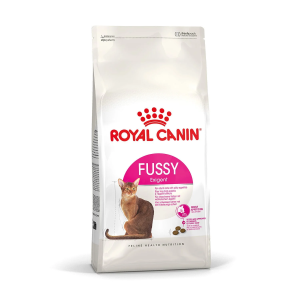


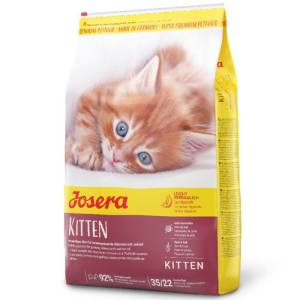


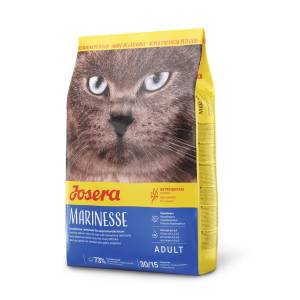


CLUB 4 PAWS Premium Urinary Health Complete feed for adult cats, for urinary system support, 14 kg
Regular price
€59.06
Price
€42.99


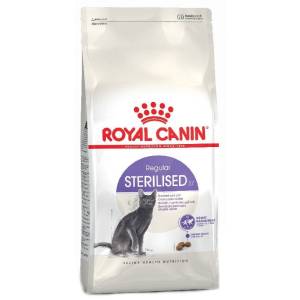


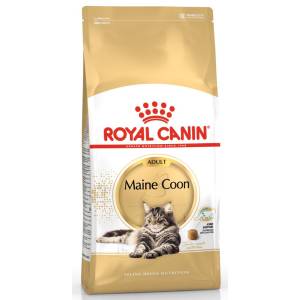


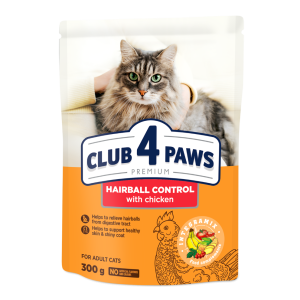
CLUB 4 PAWS Premium Complete feed for adult cats with the effect of removing tangles from the digestive tract, 2 kg
Regular price
€11.27
Price
€8.99


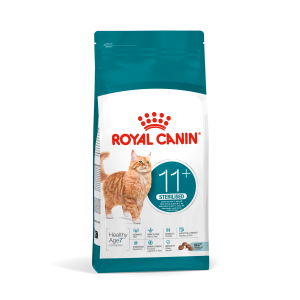

CLUB 4 PAWS Premium Complete feed for adult cats with salmon, 0.3 kg
Regular price
€1.57
Price
€1.29


How to choose the right dry food for my cat or dog?
Selecting the right dry food depends on species, life stage, activity level and health status. Read labels for protein sources, fat content and added nutrients. Consider size-specific kibble and any allergies. Compare feeding guides and reviews, and try small packages to test acceptance. For veterinary diet products or chronic issues, consult your veterinarian before switching.
Are dry food options available for pets with special dietary needs?
Many dry food formulas address weight management, sensitive digestion, urinary health and grain-free preferences. Therapeutic veterinary diets require a veterinarian's recommendation and supervision. Read product descriptions for ingredient sources and clinical claims. If your pet shows persistent symptoms or requires a prescription diet, speak with your veterinarian to determine safe, effective options.
How should I store dry food to keep it fresh?
Store dry food in a cool, dry place away from direct sunlight and moisture. Keep original packaging inside an airtight container to preserve the manufacturer's best-by date and nutrient balance. Avoid mixing old and new batches. Proper storage helps maintain quality and safety; if you notice odors, mold or unusual changes, stop feeding and consult your veterinarian.
FAQ / DUK
What are the benefits of dry food for dogs and cats?
Dry food provides concentrated nutrition, often supporting dental care and convenient portioning. It's typically cost-effective and available in life-stage formulas. However, ensure water is always available and choose a formula suited to your pet's age and activity. For medical concerns or special diets, consult your veterinarian before changing foods.
How do I read a dry food label?
Start with the first ingredients to identify primary protein sources, then check the guaranteed analysis for protein, fat and fiber percentages. Look for AAFCO statements about nutritional adequacy and review feeding guidelines to estimate portions. If ingredients are unclear, contact the manufacturer or ask a retailer for details.
Can dry food help pets with allergies or sensitivities?
Some dry formulas use novel proteins, hydrolyzed proteins or limited ingredients to reduce allergic reactions. Prescription veterinary diet products are available for diagnosed conditions and should be used under a veterinarian's guidance. If your pet has persistent symptoms, discuss testing and dietary options with your veterinarian.
How long does opened dry food stay fresh?
Opened dry food stays good several weeks to a few months if stored properly in a cool, dry area and kept in an airtight container. Follow the manufacturer's best-by date and avoid exposure to heat or moisture. For prescription diets, follow specific storage advice and consult your veterinarian if in doubt.
Can I mix dry food with wet food?
Mixing dry and wet food can increase palatability and moisture intake, but adjust portion sizes to maintain appropriate calorie intake. Monitor stool quality and weight when introducing mixes. For pets on therapeutic or veterinary diets, consult your veterinarian to ensure mixing won't compromise prescribed treatment goals.
Account
-
 For dogs
-
-
-
Leashes and collars
-
-
-
Clothing and accessories
-
-
-
Hygiene and care products
-
-
-
Toys and games
-
-
-
For home and travel
-
-
-
 For cats
-
-
-
Hygiene and care products
-
-
-
Home Equipment
-
Leashes and collars
-
-
-
Pet Transport
-
-
-
Toys and games
-
-
-
 For others
-
-
-
Hygiene and care products
-
-
-
Pet Transport
-
Leashes and collars
-
-
-
Home Equipment
-
Toys and games
-
-
-
 For owner
-
-
Hygiene and care products
-
-
-
 Pet First Aid Kit
-
-
-
-
-
Healthcare products
-
-
-
-
 Beglobiai