


Our website uses cookies. If you agree with the use of cookies, click the "I agree" button or continue browsing. You can withdraw your consent at any time by changing your internet browser settings and deleting saved cookies. You can read more about cookies. Privacy policy
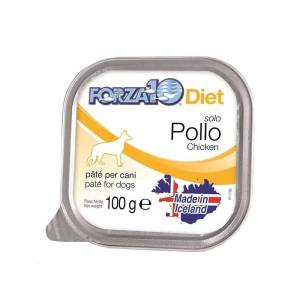
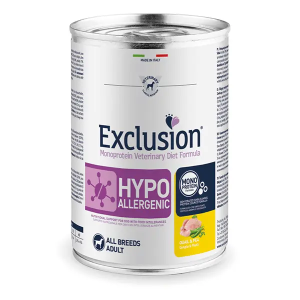
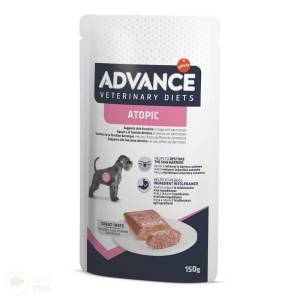
Skin and food sensitivities are common in cats and dogs, and Petreon Lietuva offers a curated selection of veterinary wet food, hypoallergenic diets, supplements, and soothing care products to help manage reactions. Browse ingredient-limited recipes and supportive supplements designed to reduce irritation and digestive upset while you consult your veterinarian about persistent symptoms or tailored dietary plans.
There are 66 products.
Sort by:
Products per page:










How can I choose food for pets with skin and food sensitivities?
When selecting diets for skin and food sensitivities, consider limited-ingredient or novel-protein formulas, veterinary wet food options, and diets designed for skin support. Look for clear ingredient lists and avoid common allergens your pet reacted to. Monitor response over several weeks and keep feeding records to discuss with your veterinarian.
What ingredients should I avoid for pets with skin and food sensitivities?
Avoid ingredients that previously triggered reactions, often including common proteins, dairy, wheat, and excessive artificial additives. Seek single-protein, limited-ingredient or hydrolysed formulations and simple wet-food recipes that reduce exposure to potential allergens. Read labels carefully and compare product compositions before making a long-term change.
When should I consult a veterinarian about skin and food sensitivities?
Seek veterinary advice if your pet shows ongoing itching, hair loss, digestive upset, or if symptoms worsen despite dietary changes. Veterinary diet products or persistent symptoms should be discussed with a veterinarian. A clinician can recommend diagnostic steps, prescribe appropriate therapeutic diets available here, and guide safe transitions and supplement choices tailored to your pet’s needs.
DUK / FAQ Skin and food sensitivities
How long does it take to see improvement after switching to a sensitivity diet?
Most pets need several weeks to show clear improvement; clinicians often allow 6–12 weeks for an elimination or therapeutic diet trial. Track symptoms and food intake during this period. If there’s no meaningful change or symptoms worsen, consult your veterinarian for further evaluation and testing.
Can I feed the same sensitivity diet to both cats and dogs?
No. Cats and dogs have different nutritional needs, so choose species-specific formulations. Some therapeutic or limited-ingredient concepts exist for both, but never substitute dog food for a cat. Check product labels for species suitability and discuss the right option for each pet with your veterinarian.
Are there hypoallergenic treats suitable for pets with food sensitivities?
Yes. Look for limited-ingredient or novel-protein treats and single-ingredient options that match your pet’s tolerated proteins. Introduce new treats gradually and monitor for reactions. Treats should complement a prescribed diet, and you should review treat choices with your veterinarian when managing sensitivities.
Should I give supplements for skin and food sensitivities?
Supplements such as omega-3 fatty acids, skin-supporting vitamins, and topical conditioners can help support skin health. However, supplements are adjuncts, not replacements for an appropriate diet. Discuss any supplement before starting, especially if your pet is on a veterinary diet or medication, to ensure safety and proper dosing.
What tests are used to diagnose food sensitivities?
Food sensitivities are typically evaluated with an elimination diet trial overseen by a veterinarian; this is the most reliable method. Your vet may also recommend skin or blood tests for allergies as part of a broader workup. Always follow a veterinarian’s guidance for testing and interpretation of results.
Account
-
 For dogs
-
-
-
Leashes and collars
-
-
-
Clothing and accessories
-
-
-
Hygiene and care products
-
-
-
Toys and games
-
-
-
For home and travel
-
-
-
 For cats
-
-
-
Hygiene and care products
-
-
-
Home Equipment
-
Leashes and collars
-
-
-
Pet Transport
-
-
-
Toys and games
-
-
-
 For others
-
-
-
Hygiene and care products
-
-
-
Pet Transport
-
Leashes and collars
-
-
-
Home Equipment
-
Toys and games
-
-
-
 For owner
-
-
Hygiene and care products
-
-
-
 Pet First Aid Kit
-
-
-
-
-
Healthcare products
-
-
-
-
 Beglobiai