


Our website uses cookies. If you agree with the use of cookies, click the "I agree" button or continue browsing. You can withdraw your consent at any time by changing your internet browser settings and deleting saved cookies. You can read more about cookies. Privacy policy
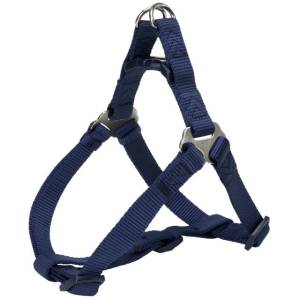
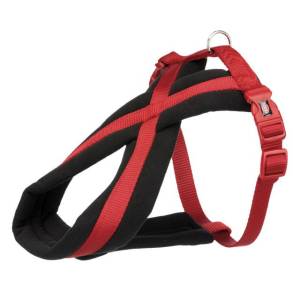
Harness options at Petreon Lietuva help ensure comfortable, secure walks and better control for dogs of every size. Our range includes adjustable, padded, breathable, and reflective harnesses designed for everyday walks, training, or outdoor adventures. Find easy-fit and step-in models that reduce pressure on the neck while providing safety and mobility for puppies, adult dogs, and active breeds.
There are 88 products.
Sort by:
Products per page:






How do I choose the right harness size for my dog?
Measure your dog's girth behind the front legs and consult size charts to pick a harness that fits snugly without restricting movement. Look for adjustable straps, padded chest pieces, and breathable materials for comfort. If your dog shows persistent rubbing, chafing, or behavioral changes when wearing a harness, discuss those symptoms with your veterinarian.
What types of harnesses are best for different activities?
Different activities need different harness styles: back-clip harnesses suit calm walkers and everyday use, while front-clip or no-pull designs help with training and reducing pulling. Padded vest harnesses offer extra comfort for long hikes, and reflective or heavy-duty harnesses improve visibility and control during outdoor adventures.
How do I introduce a new harness to a dog prone to anxiety?
Introduce a new harness gradually: let your dog sniff the harness, reward calm behavior, and perform short, low-pressure fittings increasing duration over several days. Use treats and gentle praise to create positive associations, and ensure straps are adjusted correctly to prevent chafing. If anxiety persists, seek advice from a veterinarian or behavior specialist.
DUK / Frequently Asked Questions
How do I measure my dog for a harness?
Measure the girth (around the widest part of the ribcage) and note neck circumference. Compare measurements to the product size chart and allow room for two fingers between strap and body. For growing puppies or dogs with medical concerns, contact customer service or consult your veterinarian for sizing advice.
Can a harness reduce pulling on walks?
Front-clip or no-pull harnesses can help manage pulling by redirecting motion, but they work best when combined with training and consistent reinforcement. Back-clip harnesses are comfortable for calm walkers. If pulling is severe or linked to anxiety, consider professional training or veterinary guidance.
Are harnesses safe for small breeds and puppies?
Yes, harnesses are safe for small breeds and puppies when properly fitted and lightweight. Choose soft, padded materials and adjustable designs to accommodate growth. Monitor fit regularly and avoid overly heavy or restrictive models. Speak with a veterinarian if your puppy has known joint or developmental concerns.
How can I prevent chafing or rubbing from a harness?
Ensure correct strap positioning, choose padded or soft-lined harnesses, and trim fur where straps contact skin if appropriate. Check for loose seams or rough edges and rotate harness use to allow skin rest. If redness, open sores, or persistent irritation appear, stop use and consult your veterinarian for assessment.
What harness features are best for hiking and outdoor adventures?
For hiking choose a durable, padded harness with a sturdy handle, reinforced stitching, and secure attachment points. Reflective trim and breathable materials increase safety and comfort. Match the harness to your dog's size and endurance level, and inspect gear regularly for wear before long outdoor trips.
Account
-
 For dogs
-
-
-
Leashes and collars
-
-
-
Clothing and accessories
-
-
-
Hygiene and care products
-
-
-
Toys and games
-
-
-
For home and travel
-
-
-
 For cats
-
-
-
Hygiene and care products
-
-
-
Home Equipment
-
Leashes and collars
-
-
-
Pet Transport
-
-
-
Toys and games
-
-
-
 For others
-
-
-
Hygiene and care products
-
-
-
Pet Transport
-
Leashes and collars
-
-
-
Home Equipment
-
Toys and games
-
-
-
 For owner
-
-
Hygiene and care products
-
-
-
 Pet First Aid Kit
-
-
-
-
-
Healthcare products
-
-
-
-
 Beglobiai