

Our website uses cookies. If you agree with the use of cookies, click the "I agree" button or continue browsing. You can withdraw your consent at any time by changing your internet browser settings and deleting saved cookies. You can read more about cookies. Privacy policy
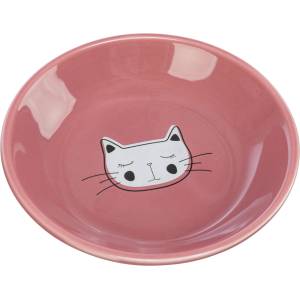
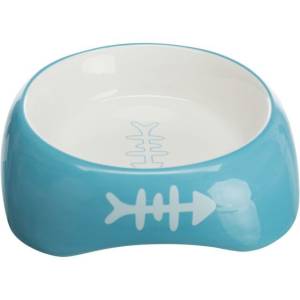
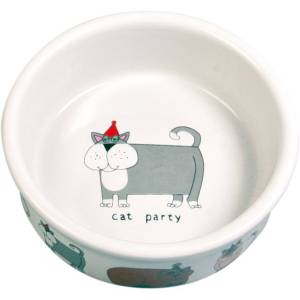
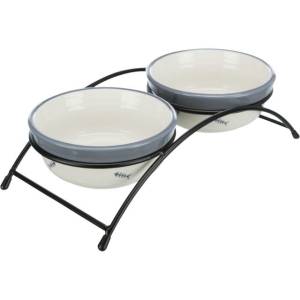
Bowls for dogs offer practical choices for every mealtime — from stainless steel and ceramic to elevated and travel bowls. Choose non-slip, easy-clean designs that suit portion sizes and your dog's eating habits. We stock sizes for puppies to large breeds and materials safe for wet and dry food. If you're using a veterinary diet or notice persistent feeding issues, consult your veterinarian.
There are 59 products.
Sort by:
Products per page:






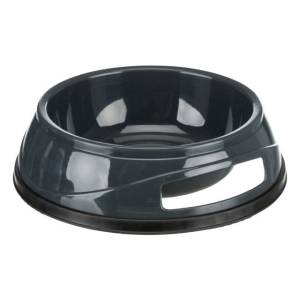


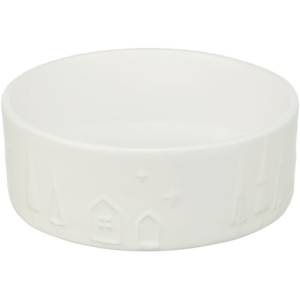
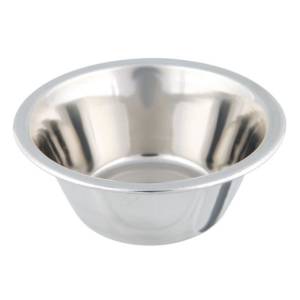




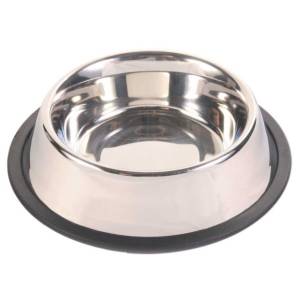


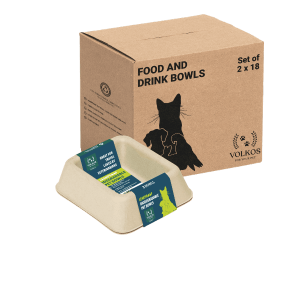


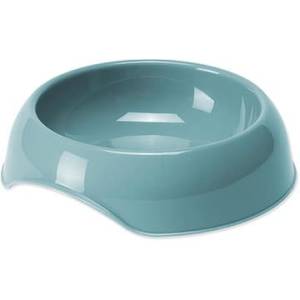
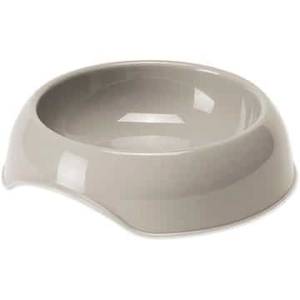





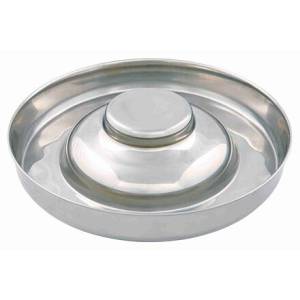
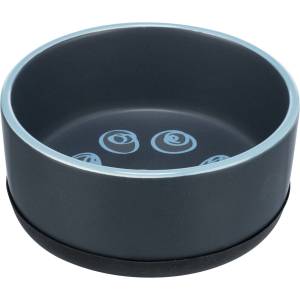

What types of bowls are best for dogs?
Choosing the best bowls depends on material, durability, and your dog's habits. Stainless steel resists bacteria and is dishwasher-safe; ceramic is stable and stylish; plastic can retain odors and may cause wear in some dogs. Look for non-slip bases and food-safe finishes. For feeding veterinary diets, confirm materials and cleaning methods with your veterinarian to maintain diet integrity.
How do I choose the right bowl size for my dog?
To choose the right bowl size, consider your dog's weight, typical portion sizes, and eating style. Small breeds need shallow, smaller-diameter bowls, while large breeds benefit from deeper or wider bowls to access food comfortably. Measure typical portions and match bowl capacity to avoid spills. For growing puppies, select adjustable or replacement bowls to accommodate size changes.
Are elevated or slow-feed bowls better for my dog's digestion?
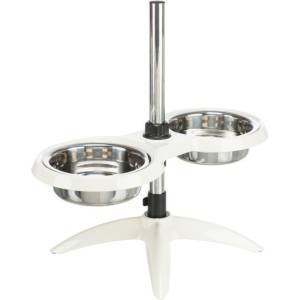
Elevated bowls can reduce neck strain for tall or large dogs, while slow-feed bowls help prevent gulping and promote healthier chewing. Choice depends on your dog's breed, height, and feeding behavior. Avoid assuming one solution fits all; monitor your pet during meals. If your dog shows persistent swallowing problems, weight loss, or vomiting, consult a veterinarian to discuss possible dietary or bowl-related adjustments.
DUK / FAQ
What material is best for dog bowls?
Stainless steel is generally best: durable, nonporous, and dishwasher-safe. Ceramic works well if glazed and unchipped. Plastic can trap bacteria, cause odors, or provoke chewing in some dogs. Always choose food-grade, BPA-free materials and replace bowls that show scratches or damage.
How often should I replace my dog's bowl?
Replace bowls when they become scratched, cracked, permanently stained, or retain odors. Stainless steel and ceramic last longer if maintained; plastic may need replacement more frequently. Clean daily, inspect weekly, and swap bowls immediately if damage could harbor bacteria or affect your pet's health.
Can bowls affect my dog's eating speed?
Yes. Fast eaters may gulp air, increasing regurgitation risk; slow-feed bowls or puzzle feeders encourage chewing and slower intake. Elevated bowls can change posture and sometimes reduce strain for large breeds. If your dog regularly coughs, chokes, or vomits after meals, discuss feeding strategies with your veterinarian.
Are travel bowls safe for dogs?
Travel bowls made from collapsible silicone or lightweight stainless steel are safe and convenient. Choose leak-resistant designs for water, easy-to-clean surfaces, and non-toxic materials. For wet food, select bowls with smooth interiors and wash promptly after use to prevent bacterial growth during travel.
Do veterinary diets require special types of bowls?
Some veterinary diets have handling or cross-contamination guidelines; the bowl material and cleaning can matter for strict protocols. Always follow product instructions and consult your veterinarian about bowl selection and meal management if your pet is on a veterinary diet or has ongoing health issues.
Account
-
 For dogs
-
-
-
Leashes and collars
-
-
-
Clothing and accessories
-
-
-
Hygiene and care products
-
-
-
Toys and games
-
-
-
For home and travel
-
-
-
 For cats
-
-
-
Hygiene and care products
-
-
-
Home Equipment
-
Leashes and collars
-
-
-
Pet Transport
-
-
-
Toys and games
-
-
-
 For others
-
-
-
Hygiene and care products
-
-
-
Pet Transport
-
Leashes and collars
-
-
-
Home Equipment
-
Toys and games
-
-
-
 For owner
-
-
Hygiene and care products
-
-
-
 Pet First Aid Kit
-
-
-
-
-
Healthcare products
-
-
-
-
 Beglobiai