

Our website uses cookies. If you agree with the use of cookies, click the "I agree" button or continue browsing. You can withdraw your consent at any time by changing your internet browser settings and deleting saved cookies. You can read more about cookies. Privacy policy
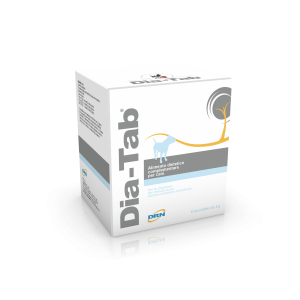
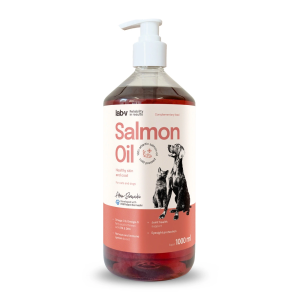
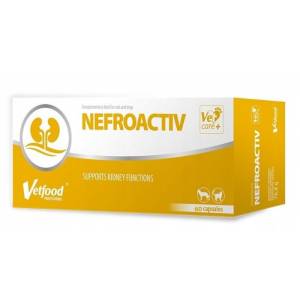
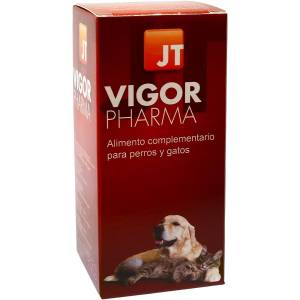
Vitamins and supplements for dogs support general health, joint mobility, skin and coat condition, digestion and immune resilience when used responsibly. Petreon Lietuva offers vetted formulations in chewable, liquid and powder forms to suit different ages and needs. For veterinary diet products or persistent symptoms, always consult your veterinarian before adding supplements.
There are 490 products.
Sort by:
Products per page:






























How do I choose vitamins and supplements for my dog?
Vitamins and supplements should match your dog's life stage, size and health goals. Look for transparent ingredient lists, clear dosing and appropriate forms such as chews, liquids or powders. Consider targeted formulas for joints, skin, digestion or immunity, and consult your veterinarian if your dog has ongoing health concerns before starting any new supplement.
When should I give supplements to my dog?
Timing depends on the supplement type and product instructions; some are best with food, others on an empty stomach. Start with manufacturer dosing recommendations and observe your dog for response. If your pet is on medication or has a chronic condition, check with your veterinarian to avoid interactions or incorrect dosing.
Can supplements be used alongside veterinary diets?
Using supplements with veterinary diet products requires caution. Therapeutic diets are formulated for specific conditions and additional supplements can alter nutrient balance or affect treatment. Discuss any supplement use with your veterinarian to ensure compatibility and safety. If symptoms persist, follow up with the clinic rather than adjusting diets or supplements on your own.
FAQ
What types of vitamins and supplements are available for dogs?
Common options include multivitamins, omega‑3 fatty acids for skin and coat, glucosamine and chondroitin for joint support, probiotics for digestion, and antioxidants for immune health. Choose formulas designed specifically for dogs and consult your veterinarian if your pet has medical conditions or is on prescription diets.
How do I pick the right supplement for my dog's age and size?
Consider life stage, weight and specific needs—puppies, adults and seniors often require different nutrients. Check dosing recommendations, ingredient quality and product form. Avoid human supplements and speak with your veterinarian to tailor choices and safe dosages for your dog's individual health profile.
Can I give supplements with my dog's regular food?
Most supplements can be mixed into meals or given as treats, following label directions. Some work best with food while others need separation. Start with recommended doses and monitor your dog for adverse reactions. Ask your vet if your dog is on medication or has a health condition.
Are there risks or side effects from dog supplements?
Overdosing, gastrointestinal upset, allergies and nutrient interactions are possible. Quality control varies between products, so choose reputable suppliers and follow dosing instructions. If you notice persistent vomiting, diarrhea or behavioral changes, stop the supplement and consult your veterinarian promptly.
Do I need to consult a veterinarian before using supplements with a veterinary diet?
Yes. Veterinary diet products are tailored to specific health issues and adding supplements can interfere with treatment or nutrient balance. Always discuss supplement use with your veterinarian before combining them with a therapeutic diet, and report any ongoing symptoms to your clinic.
Account
-
 For dogs
-
-
-
Leashes and collars
-
-
-
Clothing and accessories
-
-
-
Hygiene and care products
-
-
-
Toys and games
-
-
-
For home and travel
-
-
-
 For cats
-
-
-
Hygiene and care products
-
-
-
Home Equipment
-
Leashes and collars
-
-
-
Pet Transport
-
-
-
Toys and games
-
-
-
 For others
-
-
-
Hygiene and care products
-
-
-
Pet Transport
-
Leashes and collars
-
-
-
Home Equipment
-
Toys and games
-
-
-
 For owner
-
-
Hygiene and care products
-
-
-
 Pet First Aid Kit
-
-
-
-
-
Healthcare products
-
-
-
-
 Beglobiai