

Our website uses cookies. If you agree with the use of cookies, click the "I agree" button or continue browsing. You can withdraw your consent at any time by changing your internet browser settings and deleting saved cookies. You can read more about cookies. Privacy policy
Combs and brushes help maintain your pet's coat, reduce shedding, and keep skin healthy with regular grooming. At Petreon Lietuva you'll find combs and brushes suitable for both cats and dogs, including tools for detangling, undercoat removal, and sensitive skin. Choose the right tool for fur type to make grooming comfortable and effective.
There are 68 products.
Sort by:
Products per page:

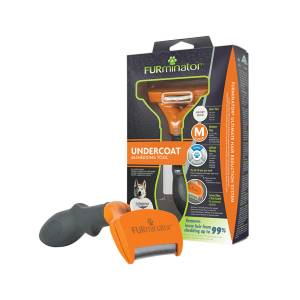


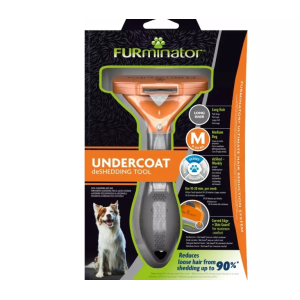


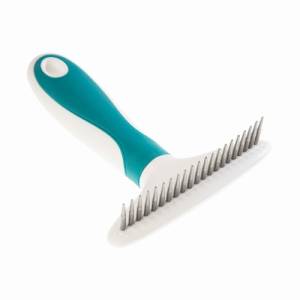


How do I choose the right comb or brush for my pet?
Selecting the right comb or brush depends on coat length, density and skin sensitivity. Combs and brushes for short-haired dogs differ from slicker brushes for long coats; grooming tools listed at Petreon Lietuva include undercoat rakes, shedding combs and soft bristle brushes. Measure effectiveness by how comfortable your pet is and the tool's ability to remove loose hair.
How often should I groom my cat or dog with combs and brushes?
Frequency depends on breed and shedding. Short-haired pets may need weekly brushing, while long-haired breeds or double-coated dogs often benefit from daily attention during seasonal shed. Use combs and brushes gently to avoid skin irritation. If you notice persistent skin issues, excessive hair loss, or mats that won't come out, consult your veterinarian for advice.
Are there combs and brushes safe for pets with sensitive skin or mats?
Many combs and brushes are made for sensitive skin, with rounded teeth, flexible pins, and soft bristles to reduce pulling. For severe matting or skin redness, avoid forcing tools and seek professional grooming or veterinary attention. Discuss persistent symptoms or any need for veterinary diet products with your veterinarian before changing care or introducing therapeutic products.
FAQ / Frequently Asked Questions
Which combs and brushes are best for my dog's double coat?
For double coats choose undercoat rakes, de-shedding tools and slicker brushes designed to reach the dense underfur without cutting the topcoat. Start gently and work in sections, removing loose hair regularly. Match tool size to your dog's size and coat condition for safer, more effective grooming.
Can I use the same combs and brushes on cats and dogs?
Many combs and brushes work for both species, but designs vary by coat type and skin sensitivity. Use gentler tools for cats and avoid long metal teeth near delicate skin. Always observe your pet's comfort and switch tools if pulling or distress occurs.
How do I clean and maintain combs and brushes?
Remove hair and debris after each use; wash plastic and metal parts with warm soapy water, rinse and dry thoroughly. Disinfect as needed with pet-safe solutions. Check for bent pins or broken teeth and replace the tool if it could harm your pet.
Are there combs and brushes safe for kittens and puppies?
Yes—choose small, soft-bristle brushes and fine-tooth combs designed for young animals. Start grooming in short, calm sessions to build trust and avoid over-brushing. For any skin redness, excessive crying, or avoidance during grooming, stop and consult a professional groomer or veterinarian.
When should I consult a veterinarian about grooming-related skin or coat problems?
Contact your veterinarian if grooming reveals persistent itching, hair loss, sores or severe matting that doesn't respond to regular care. These signs might indicate an underlying condition; any consideration of veterinary diet products or therapeutic approaches should be discussed with your veterinarian before changing treatment or nutrition.
Account
-
 For dogs
-
-
-
Leashes and collars
-
-
-
Clothing and accessories
-
-
-
Hygiene and care products
-
-
-
Toys and games
-
-
-
For home and travel
-
-
-
 For cats
-
-
-
Hygiene and care products
-
-
-
Home Equipment
-
Leashes and collars
-
-
-
Pet Transport
-
-
-
Toys and games
-
-
-
 For others
-
-
-
Hygiene and care products
-
-
-
Pet Transport
-
Leashes and collars
-
-
-
Home Equipment
-
Toys and games
-
-
-
 For owner
-
-
Hygiene and care products
-
-
-
 Pet First Aid Kit
-
-
-
-
-
Healthcare products
-
-
-
-
 Beglobiai