

Our website uses cookies. If you agree with the use of cookies, click the "I agree" button or continue browsing. You can withdraw your consent at any time by changing your internet browser settings and deleting saved cookies. You can read more about cookies. Privacy policy
Eyes, ears care essentials for cats and dogs help maintain clean, comfortable sensory health with gentle wipes, ear cleaners, supplements, and grooming tools. At Petreon Lietuva we offer veterinary-grade and everyday options to support routine hygiene and reduce irritation. For persistent symptoms or special veterinary diet needs, please consult your veterinarian before use.
There are 25 products.
Sort by:
Products per page:


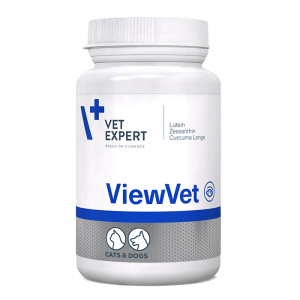


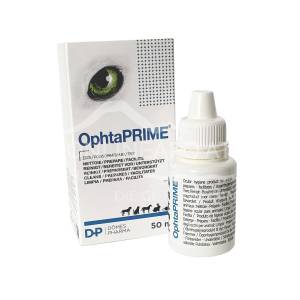


How do I choose the right eyes and ears products for my dog?
Selecting the right eyes and ears products for a dog depends on coat type, skin sensitivity and any existing conditions. Look for pH-balanced cleaners, fragrance-free wipes, and vet-recommended formulas. Start with a small test and follow directions carefully. If your dog has chronic discharge, redness, or pain, consult your veterinarian before continuing or trying a veterinary diet.
Are eyes and ears care products safe for cats?
Many eyes and ears products are formulated specifically for cats, addressing their delicate skin and ear structure. Use cat-specific cleaners and avoid alcohol-based human products. Apply gently and follow package instructions. For ongoing irritation, unusual odor, or repeated infections, speak with your veterinarian to review possible veterinary diet needs or appropriate medical care.
What ingredients or additives should I avoid in eyes and ears products?
What ingredients or additives should be avoided in eyes and ears products for pets? Avoid harsh fragrances, alcohols, and unnecessary dyes that can irritate delicate tissues. For supplements, avoid high doses of ingredients without veterinary guidance. If your pet shows worsening symptoms after any product, stop use and consult a veterinarian about further evaluation and suitable options.
FAQ / Frequently Asked Questions
How often should I clean my pet's eyes and ears?
Frequency depends on your pet’s breed, activity level and whether they have allergies or chronic issues. For most animals, routine checks weekly and gentle cleaning as needed is sufficient. If you notice discharge, odor, inflammation, or behavioral changes, stop cleaning and consult your veterinarian for guidance.
Can I use human wipes or ear cleaner on my cat or dog?
Human eye or ear products can contain alcohols, perfumes, or other ingredients unsuitable for pets. Always use pet-specific cleaners labeled for cats or dogs. When in doubt, ask a veterinarian, especially if your pet has sensitive skin, a history of ear infections, or is on a veterinary diet.
Are supplements helpful for eye and ear health?
Certain supplements, like omega-3 fatty acids and antioxidants, may support skin and eye health as part of an overall care plan. Evidence varies and supplements are not a substitute for medical treatment. Discuss any supplement use with your veterinarian, particularly if your pet is taking medications or is on a veterinary diet.
What signs indicate a serious eye or ear problem?
Watch for persistent discharge, redness, swelling, odor, rubbing, head shaking or balance problems; these can indicate infection, obstruction or other serious issues. If symptoms don’t improve quickly or recur frequently, schedule a veterinary exam. Do not rely solely on over-the-counter products for persistent or worsening signs.
Are there veterinary diet products for pets with ear or eye-related allergies?
Some veterinary diets are formulated to reduce food-related allergic reactions that can affect skin, ears, and eyes. Dietary management should be guided by a veterinarian and may require diagnosis, trials, or prescription products. Discuss suitable diets and the role of nutrition in your pet’s eye and ear health with your veterinarian.
Account
-
 For dogs
-
-
-
Leashes and collars
-
-
-
Clothing and accessories
-
-
-
Hygiene and care products
-
-
-
Toys and games
-
-
-
For home and travel
-
-
-
 For cats
-
-
-
Hygiene and care products
-
-
-
Home Equipment
-
Leashes and collars
-
-
-
Pet Transport
-
-
-
Toys and games
-
-
-
 For others
-
-
-
Hygiene and care products
-
-
-
Pet Transport
-
Leashes and collars
-
-
-
Home Equipment
-
Toys and games
-
-
-
 For owner
-
-
Hygiene and care products
-
-
-
 Pet First Aid Kit
-
-
-
-
-
Healthcare products
-
-
-
-
 Beglobiai