


Our website uses cookies. If you agree with the use of cookies, click the "I agree" button or continue browsing. You can withdraw your consent at any time by changing your internet browser settings and deleting saved cookies. You can read more about cookies. Privacy policy





Best sellers


- Out of stock
- Out-of-Stock
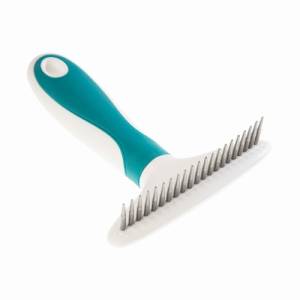
Combs and brushes are essential grooming tools for keeping your cat or dog comfortable and reducing shedding. Find a variety of gentle slicker brushes, wide-tooth combs, and de-matting tools suitable for all coat types at Petreon Lietuva. Choose ergonomic handles and safe materials to make brushing a calm, regular part of your pet's hygiene routine.
There are 61 products.
Sort by:
Products per page:




How do I choose combs and brushes for different coat types?
Select combs and brushes based on coat length and skin sensitivity: slicker brushes and de-matting tools work well for long coats, bristle brushes suit short coats, and wide-tooth combs help with tangles. Look for rounded pins and ergonomic grips to reduce pulling and make brushing with combs and brushes a pleasant, regular habit.
Can combs and brushes help reduce shedding?
Regular brushing with appropriate combs and brushes removes loose hair, prevents mats, and helps distribute natural oils for a healthier coat. Adjust frequency by breed and season; heavy shedders or long-coated pets often need more attention. If you notice sudden or excessive shedding, skin irritation, or persistent symptoms, discuss them with a veterinarian.
Are there safe combs and brushes for pets with sensitive skin?
Choose soft-bristled brushes or rounded-pin combs labeled safe for sensitive skin and avoid metal teeth with sharp edges that can scratch. Clean combs and brushes regularly to remove hair and debris, reducing irritation and bacterial buildup. Test new tools gently and stop if your pet shows discomfort or develops skin changes needing veterinary advice.
DUK / FAQ
Which combs and brushes are best for dogs with long fur?
Use slicker brushes and de-matting tools for long-haired dogs, combined with a wide-tooth comb to remove tangles. Bristle brushes finish the coat. Start gently, work in sections, and reward your dog to build tolerance. Choose tools appropriate for your pet’s coat thickness and behavior.
How often should I use combs and brushes on my cat?
Short-haired cats benefit from weekly brushing, while long-haired breeds may need daily combing to prevent mats and reduce shedding. Adjust frequency during seasonal molts and pay attention to your cat’s comfort. If you see skin lesions, excessive hair loss, or persistent symptoms, consult your veterinarian.
How do I clean combs and brushes?
Remove loose hair after each session, then wash brush heads with mild soap and warm water. Use a toothbrush to dislodge debris, rinse thoroughly, and air-dry. Clean metal combs similarly and sanitize if your pet has skin infections to avoid spreading bacteria.
Can combs and brushes cause skin irritation?
Improper tools or rough use can irritate skin or worsen existing conditions. Choose soft, rounded-pin combs and brush gently. If irritation, wounds, or persistent symptoms appear, stop grooming and consult your veterinarian for diagnosis and advice, including whether dietary or medical steps are needed.
Are there combs and brushes suitable for senior pets?
Softer bristle brushes and wider-tooth combs reduce pulling on fragile skin and are suitable for senior pets. Look for lightweight, ergonomic designs and take shorter grooming sessions. If your senior animal has skin abnormalities, mobility issues, or special dietary needs, discuss comb choices and veterinary diet products with your veterinarian.
Account
-
 For dogs
-
-
-
Leashes and collars
-
-
-
Clothing and accessories
-
-
-
Hygiene and care products
-
-
-
Toys and games
-
-
-
For home and travel
-
-
-
 For cats
-
-
-
Hygiene and care products
-
-
-
Home Equipment
-
Leashes and collars
-
-
-
Pet Transport
-
-
-
Toys and games
-
-
-
 For others
-
-
-
Hygiene and care products
-
-
-
Pet Transport
-
Leashes and collars
-
-
-
Home Equipment
-
Toys and games
-
-
-
 For owner
-
-
Hygiene and care products
-
-
-
 Pet First Aid Kit
-
-
-
-
-
Healthcare products
-
-
-
-
 Beglobiai