

Our website uses cookies. If you agree with the use of cookies, click the "I agree" button or continue browsing. You can withdraw your consent at any time by changing your internet browser settings and deleting saved cookies. You can read more about cookies. Privacy policy
Collars offer safe, comfortable identification and control for dogs and cats, with options in nylon, leather, and reflective styles to suit walks, training, and everyday use. Choose the right size and material for your pet, follow product instructions, and discuss veterinary diet products or any persistent symptoms with your veterinarian to keep pets healthy.
There are 16 products.
Sort by:
Products per page:


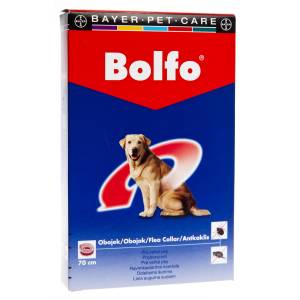


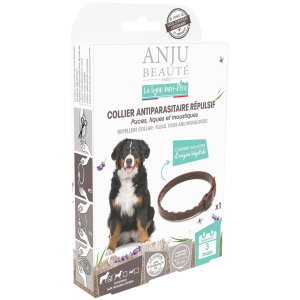


What types of collars are available for dogs and cats?
There are flat, martingale, breakaway and reflective collars, plus specialized antiparasitic and training collars. Materials range from soft nylon to leather and silicone. Measure your pet’s neck for a secure but comfortable fit; check buckles and tags regularly. For antiparasitic collars, follow label guidance and speak to your veterinarian about persistent parasite issues or veterinary diet concerns.
How do I size a collar correctly for my pet?
To size a collar, measure around the base of the neck and allow two fingers’ space for comfort and breathing. Adjustable collars help fine-tune fit as pets grow or change weight. Inspect for rubbing or irritation after use, remove collars for long unsupervised rest, and consult a veterinarian if you notice skin problems or persistent discomfort.
Are antiparasitic collars safe and how should I use them?
Antiparasitic collars can reduce fleas and ticks on many pets when used according to the manufacturer's instructions. Monitor your pet for skin reactions and avoid contact with children until the collar is secure. These products are not guaranteed cures; discuss persistent parasite problems or choices about veterinary diet products with your veterinarian before starting treatment.
FAQ
How do I choose the right collar for my puppy or kitten?
Measure the neck and leave two fingers’ space to ensure comfort. Choose breakaway collars for most cats and adjustable, lightweight materials for growing puppies or kittens. Consider reflective options for safety and read product instructions; consult your veterinarian if you have questions about fit or any persistent skin issues.
Can cats and small dogs wear regular antiparasitic collars?
Not all antiparasitic collars are suitable for cats or small dogs; formulations and release rates differ by species and size. Always check product labels for species suitability and follow instructions. If in doubt, ask your veterinarian for recommendations tailored to your pet’s age, weight and health status.
How often should I replace a worn collar?
Replace collars that show fraying, damaged buckles, stretched fabric or lost reflectivity. For growing pets, check fit frequently and adjust or replace as needed. Antiparasitic collars often have a labeled effective period; follow manufacturer guidance and consult your veterinarian if you are unsure about continued protection.
Are reflective collars effective for nighttime walks?
Reflective collars increase visibility but should be used alongside a lighted leash or collar-mounted light for best results. Materials vary in reflectivity, so choose certified or well-reviewed options. Reflective gear improves safety but does not replace attentive supervision and proper leashing during nighttime walks.
What should I do if my pet has a skin reaction to a collar?
Stop using the collar immediately and remove any residues. Clean the area gently and observe for swelling, sores or continued irritation. If symptoms persist or worsen, contact your veterinarian promptly. Discuss persistent skin problems and whether changes in pet products or veterinary diet products might help under veterinary guidance.
Account
-
 For dogs
-
-
-
Leashes and collars
-
-
-
Clothing and accessories
-
-
-
Hygiene and care products
-
-
-
Toys and games
-
-
-
For home and travel
-
-
-
 For cats
-
-
-
Hygiene and care products
-
-
-
Home Equipment
-
Leashes and collars
-
-
-
Pet Transport
-
-
-
Toys and games
-
-
-
 For others
-
-
-
Hygiene and care products
-
-
-
Pet Transport
-
Leashes and collars
-
-
-
Home Equipment
-
Toys and games
-
-
-
 For owner
-
-
Hygiene and care products
-
-
-
 Pet First Aid Kit
-
-
-
-
-
Healthcare products
-
-
-
-
 Beglobiai