

Our website uses cookies. If you agree with the use of cookies, click the "I agree" button or continue browsing. You can withdraw your consent at any time by changing your internet browser settings and deleting saved cookies. You can read more about cookies. Privacy policy
Scratchers offer cats a safe, durable outlet for natural scratching instincts while protecting furniture. At Petreon Lietuva we carry a range of styles—from posts and mats to loungers—designed for different claws, sizes and activity levels. Choose stable, scratch-resistant materials and textures your cat prefers to encourage regular use and maintain healthy nails.
There are 35 products.
Sort by:
Products per page:


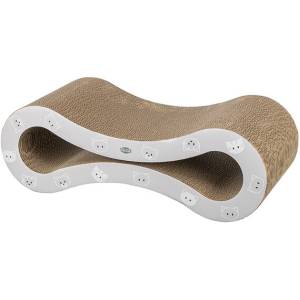


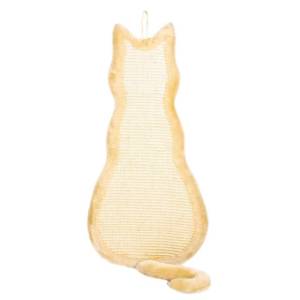


What type of scratcher is best for my cat?
Choose scratchers based on your cat’s preferred scratching direction and activity level. Vertical posts suit standing stretches, while horizontal mats appeal to floor-scratchers. Look for sturdy bases, sisal or cardboard surfaces, and sizes that allow full-body stretches. Rotating different forms can reveal preferences and extend product life.
How can I encourage my cat to use new scratchers?
Placement, texture and positive reinforcement help cats adopt new scratchers. Put a scratcher near favorite resting spots and transport it gradually from old scratching areas. Use toys or catnip to attract attention and praise or treats when your cat uses it. Regular replacement of worn surfaces keeps interest and hygiene high.
Do scratchers help with skin or behavioral problems, and when should I see a veterinarian?
Scratchers can reduce furniture damage and support normal claw wear, but excessive or painful scratching may signal skin, behavioral or medical concerns. If scratching is accompanied by hair loss, bleeding or persistent discomfort, consult your veterinarian. Discuss veterinary diet products or underlying conditions with your vet rather than relying on scratchers alone for health issues.
DUK / FAQ
What height or style of scratcher should I buy for my indoor cat?
Aim for a scratcher that lets your cat fully stretch. Taller vertical posts suit cats that stand, while low horizontal mats fit floor-scratchers. Choose sturdy bases and replaceable surfaces. Consider multiple styles if your cat’s preferences are unclear, and observe which design they use most.
Are cardboard scratchers effective compared to sisal or carpeted posts?
Cardboard is affordable and often appealing, while sisal is durable and ideal for heavy scratchers. Carpeted posts may retain more debris. Each material has pros and cons: choose based on your cat’s behavior, budget and how long you want the scratcher to last.
How often should I replace a scratcher?
Replace a scratcher when the surface becomes significantly worn, unstable, or unsanitary. Frequency depends on material and how often it’s used. Regular inspection helps prevent splinters or collapsed posts; keeping clean and replacing worn parts maintains safety and your cat’s interest.
Can scratchers help with my cat's claws and behavior?
Scratchers provide an outlet for natural scratching, helping claws shed outer layers and reducing furniture damage. They support normal behavior but won’t fix all issues. If destructive scratching persists or is accompanied by stress signs, consider environmental changes and consult a professional or your veterinarian.
My cat scratches excessively and has skin sores — should I change scratchers or see a vet?
If scratching causes wounds, hair loss or ongoing discomfort, consult your veterinarian promptly. These signs may indicate allergies, parasites, or medical issues. Discuss whether veterinary diet products or other medical approaches are appropriate; scratchers alone won’t address underlying health problems.
Account
-
 For dogs
-
-
-
Leashes and collars
-
-
-
Clothing and accessories
-
-
-
Hygiene and care products
-
-
-
Toys and games
-
-
-
For home and travel
-
-
-
 For cats
-
-
-
Hygiene and care products
-
-
-
Home Equipment
-
Leashes and collars
-
-
-
Pet Transport
-
-
-
Toys and games
-
-
-
 For others
-
-
-
Hygiene and care products
-
-
-
Pet Transport
-
Leashes and collars
-
-
-
Home Equipment
-
Toys and games
-
-
-
 For owner
-
-
Hygiene and care products
-
-
-
 Pet First Aid Kit
-
-
-
-
-
Healthcare products
-
-
-
-
 Beglobiai