


Our website uses cookies. If you agree with the use of cookies, click the "I agree" button or continue browsing. You can withdraw your consent at any time by changing your internet browser settings and deleting saved cookies. You can read more about cookies. Privacy policy







Eyes, ears care essentials help keep cats and dogs comfortable and reduce common irritations. Browse gentle cleansing solutions, protective ointments, ear drops, supplements that support ocular and auditory health, and wipes for regular hygiene. Choose products formulated for pets and follow label directions; for veterinary diets or persistent problems, consult your veterinarian before use.
There are 5 products.
Sort by:
Products per page:


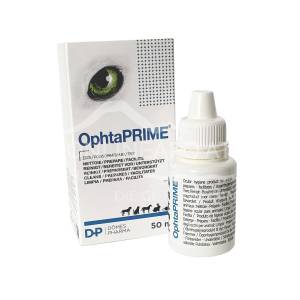


How do I choose the right Eyes, ears products for my cat or dog?
Selecting eyes and ears products depends on your pet’s species, age, and sensitivity. Look for formulations labeled for cats or dogs, gentle surfactants, and veterinarian-recommended ingredients. Read instructions, avoid human products, and test new items carefully. For ongoing conditions or if using a veterinary diet, consult your veterinarian for tailored advice.
What symptoms related to Eyes, ears should prompt a vet visit?
Redness, unusual discharge, foul odor, swelling, persistent scratching, head shaking, or sudden vision changes can indicate infection or injury. Mild irritations may resolve, but worsening or lasting symptoms deserve professional evaluation. Always discuss persistent signs with your veterinarian so they can recommend appropriate diagnostics and care.
Can supplements and veterinary diets support Eyes, ears health?
Certain supplements—omega fatty acids, antioxidants, and targeted ocular nutrients—may support eye and ear health when used properly. Veterinary diets formulated for specific issues can be helpful under veterinary supervision. Always consult your veterinarian before starting supplements or switching to a therapeutic diet to ensure safety and correct dosing.
DUK / FAQ
How often should I clean my pet's eyes and ears?
Gently clean the external eye area and ear folds as needed — often weekly for low-maintenance pets and more frequently for prone breeds. Use pet-formulated wipes or saline for eyes and vet-approved ear cleansers. If you notice persistent debris, odor, or irritation, consult your veterinarian for guidance.
Are there safe over-the-counter eye drops for dogs and cats?
Some mild, pet-specific lubricating eye drops and saline rinses are okay for minor irritation, but avoid human medications. Always check labels and follow usage instructions. If symptoms persist, worsen, or your pet shows pain or vision changes, contact your veterinarian for a proper assessment and treatment plan.
Can diet affect my pet’s eye and ear health?
Nutrition influences overall health, including eyes and ears. Balanced diets with essential fatty acids and antioxidants support skin, coat, and mucous membranes. In cases of chronic issues, a veterinary diet may be recommended; discuss such products with your veterinarian to confirm they suit your pet’s condition and treatment needs.
How can I tell if my pet is allergic or infected?
Allergies often cause itching, redness, and recurrent ear scratching, while infections can produce foul odor, yellow or green discharge, and pain. If you see these signs, avoid home remedies beyond gentle cleaning and seek veterinary advice to determine the cause and appropriate management.
Are supplements safe and how should I choose them?
High-quality supplements can complement care, especially omega oils and antioxidants, but not all products are necessary or safe for every pet. Discuss options with your veterinarian to confirm correct dosages, quality, and potential interactions with medications. Rely on professional guidance before starting any supplement regimen.
Account
-
 For dogs
-
-
-
Leashes and collars
-
-
-
Clothing and accessories
-
-
-
Hygiene and care products
-
-
-
Toys and games
-
-
-
For home and travel
-
-
-
 For cats
-
-
-
Hygiene and care products
-
-
-
Home Equipment
-
Leashes and collars
-
-
-
Pet Transport
-
-
-
Toys and games
-
-
-
 For others
-
-
-
Hygiene and care products
-
-
-
Pet Transport
-
Leashes and collars
-
-
-
Home Equipment
-
Toys and games
-
-
-
 For owner
-
-
Hygiene and care products
-
-
-
 Pet First Aid Kit
-
-
-
-
-
Healthcare products
-
-
-
-
 Beglobiai