


Our website uses cookies. If you agree with the use of cookies, click the "I agree" button or continue browsing. You can withdraw your consent at any time by changing your internet browser settings and deleting saved cookies. You can read more about cookies. Privacy policy
Kidney and liver care helps support pets with renal or hepatic sensitivities through specially formulated diets, supplements and supportive supplies for cats and dogs. Choose veterinary-recommended nutritional options and monitor intake closely. For ongoing concerns or when considering veterinary diet products, consult your veterinarian to ensure the best plan for your pet's health.
There are 57 products.
Sort by:
Products per page:


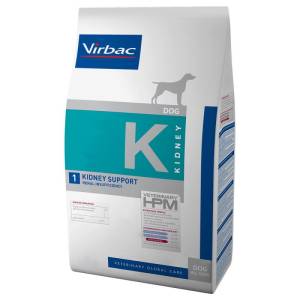


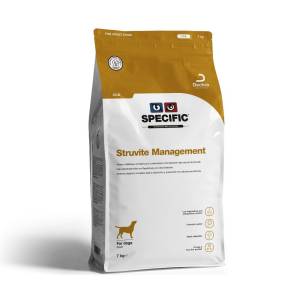





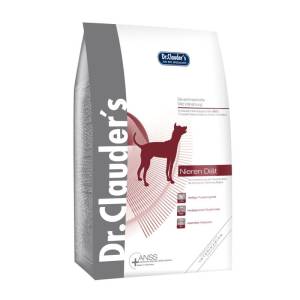


How do Kidney and liver care diets differ for cats and dogs?
Kidney and liver care diets are tailored to address species-specific needs: cats often require higher-quality proteins with controlled phosphorus, while dog formulas balance protein and electrolytes differently. Look for veterinary diets, palatable wet or dry options, and hydration aids. Always discuss dietary changes and any veterinary diet products with your veterinarian to match the plan to your pet’s medical profile.
When should I choose veterinary Kidney and liver care formulas over regular food?
You should consider veterinary Kidney and liver care formulas when your pet has diagnosed renal or hepatic concerns, abnormal lab results, or ongoing symptoms like reduced appetite or lethargy. These therapeutic diets are designed for clinical support, so consult your veterinarian before switching. Persistent signs deserve veterinary evaluation to identify underlying causes and to determine appropriate care.
What supplements and supplies support Kidney and liver care at home?
Supplements, specialized bowls, and hydration aids can complement Kidney and liver care but should be chosen carefully. Omega-3s, certain antioxidants, or electrolyte support may help under veterinary guidance; avoid unprescribed supplements that could worsen conditions. Discuss any product, dosing, and long-term plans with your veterinarian to ensure compatibility with prescribed veterinary diet products.
FAQ
What products are included in Kidney and liver care?
This category includes veterinary and supportive dry and wet diets, hydration products, select supplements and feeding accessories for cats and dogs with renal or hepatic sensitivities. Many items require veterinary oversight, so consult your veterinarian before starting prescription diets or combining supplements to ensure safety and suitability for your pet.
Can regular pet food help pets with kidney or liver issues?
Regular food can sometimes be acceptable for mild concerns, but therapeutic Kidney and liver care diets are formulated to manage specific nutrient needs. Always have your pet evaluated; persistent symptoms or abnormal tests require veterinary advice before choosing a specialized or prescription diet.
How quickly should I expect changes after switching to Kidney and liver care diets?
Clinical response varies. Appetite, hydration and lab markers can change over days to weeks; some improvements may be gradual. Monitor your pet closely and keep in touch with your veterinarian, who can advise on expected timelines and whether additional tests or adjustments are needed.
Are supplements safe to use with Kidney and liver care diets?
Some supplements may support overall health, but interactions with veterinary Kidney and liver care diets are possible. Never start supplements without veterinary approval—especially those affecting electrolytes, phosphorus, or liver metabolism. Your veterinarian can recommend safe products and proper dosing based on your pet’s condition.
When should I contact a veterinarian instead of trying over-the-counter solutions?
Contact your veterinarian if your pet shows persistent vomiting, diarrhea, decreased appetite, weight loss, or lethargy, or if lab work indicates renal or hepatic abnormalities. Discuss any OTC products—veterinary diet products and persistent symptoms should always be reviewed by a veterinarian before prolonged use.
Account
-
 For dogs
-
-
-
Leashes and collars
-
-
-
Clothing and accessories
-
-
-
Hygiene and care products
-
-
-
Toys and games
-
-
-
For home and travel
-
-
-
 For cats
-
-
-
Hygiene and care products
-
-
-
Home Equipment
-
Leashes and collars
-
-
-
Pet Transport
-
-
-
Toys and games
-
-
-
 For others
-
-
-
Hygiene and care products
-
-
-
Pet Transport
-
Leashes and collars
-
-
-
Home Equipment
-
Toys and games
-
-
-
 For owner
-
-
Hygiene and care products
-
-
-
 Pet First Aid Kit
-
-
-
-
-
Healthcare products
-
-
-
-
 Beglobiai