

Our website uses cookies. If you agree with the use of cookies, click the "I agree" button or continue browsing. You can withdraw your consent at any time by changing your internet browser settings and deleting saved cookies. You can read more about cookies. Privacy policy
Antiparasitic agents help control external and internal parasites in cats and dogs, including fleas, ticks, and intestinal worms. Our selection includes spot-on treatments, oral tablets, collars and sprays suitable for different weights and life stages. Choose products labeled for your pet species and consult product instructions; for persistent infestations or veterinary diet concerns, discuss options with your veterinarian.
There are 33 products.
Sort by:
Products per page:

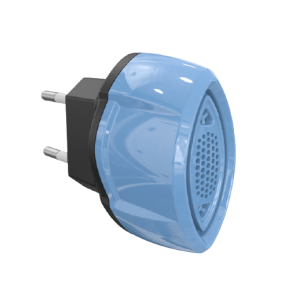
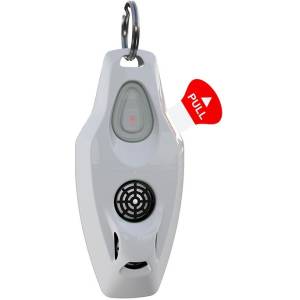


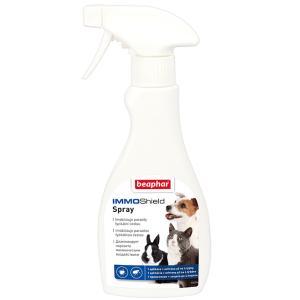



Which antiparasitic agents are safe for cats and kittens?
Choose antiparasitic agents labeled specifically for cats and kittens, since formulations and doses differ from those for dogs. Consider age, weight, pregnancy and any known sensitivities. Read product instructions carefully and avoid off-label use. If infestations persist, adverse reactions occur, or you have questions about vet diets, consult your veterinarian for safe guidance.
How do antiparasitic agents differ for dogs of various sizes?
Antiparasitic agents for dogs come in spot-on, oral tablets, chews and collars; dosing is weight-based. Small and large breeds may require different product strengths or application rates. Review weight ranges and administration instructions to ensure effectiveness and safety. Pets with chronic conditions or on prescription diets should have their antiparasitic plan reviewed by a veterinarian.
When should I consult a veterinarian about antiparasitic agents?
Seek veterinary advice if your pet shows persistent itching, hair loss, gastrointestinal signs or if parasites are not controlled after treatment with antiparasitic agents. Also consult a veterinarian before combining treatments, treating very young or pregnant animals, or when pets are on veterinary diets, to avoid interactions and choose the safest approach for your animal's health.
DUK / FAQ
What are antiparasitic agents and how do they help pets?
Antiparasitic agents are products designed to reduce or control internal and external parasites such as fleas, ticks and worms in dogs and cats. They come in topical, oral and collar forms suited to different life stages. Choose products labeled for your pet and seek veterinary advice for persistent infestations.
How do I choose the right antiparasitic agent for my pet?
Select an antiparasitic agent based on species, weight, age and lifestyle—some products are for cats only or require weight-based dosing. Read labels and consult product directions. If your pet has health conditions, is pregnant, a puppy/kitten, or on a veterinary diet, discuss options with your veterinarian before use.
Can antiparasitic agents be used with veterinary diets or other medications?
Some antiparasitic agents can interact with other medications or special diets. Always check product information and, when in doubt, consult your veterinarian, especially if your pet is receiving prescription veterinary diets or has ongoing medical treatments. A vet can recommend safe combinations or alternative products.
How often should I give antiparasitic treatments to my dog or cat?
Treatment frequency depends on the product and parasite type; follow label recommendations for spot-on, oral or collar products. Some require monthly dosing, others last longer. If you are unsure which schedule fits your pet or household situation, consult your veterinarian to create a safe, effective parasite prevention plan.
What should I do if my pet shows side effects after an antiparasitic product?
If your pet shows signs like severe itching, swelling, vomiting or lethargy after using an antiparasitic agent, stop treatment and contact your veterinarian promptly. Keep the product packaging and dosing information available. For mild reactions monitor closely, but seek veterinary care for worsening or persistent symptoms.
Account
-
 For dogs
-
-
-
Leashes and collars
-
-
-
Clothing and accessories
-
-
-
Hygiene and care products
-
-
-
Toys and games
-
-
-
For home and travel
-
-
-
 For cats
-
-
-
Hygiene and care products
-
-
-
Home Equipment
-
Leashes and collars
-
-
-
Pet Transport
-
-
-
Toys and games
-
-
-
 For others
-
-
-
Hygiene and care products
-
-
-
Pet Transport
-
Leashes and collars
-
-
-
Home Equipment
-
Toys and games
-
-
-
 For owner
-
-
Hygiene and care products
-
-
-
 Pet First Aid Kit
-
-
-
-
-
Healthcare products
-
-
-
-
 Beglobiai