

Our website uses cookies. If you agree with the use of cookies, click the "I agree" button or continue browsing. You can withdraw your consent at any time by changing your internet browser settings and deleting saved cookies. You can read more about cookies. Privacy policy
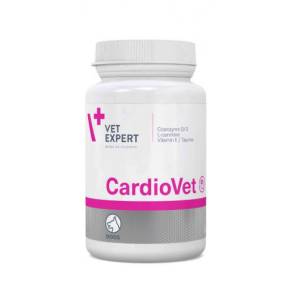
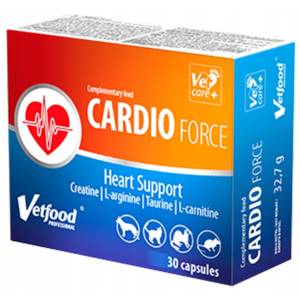
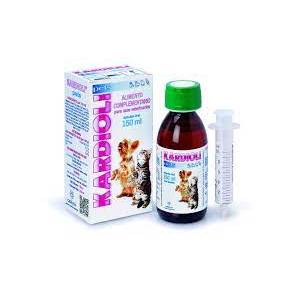
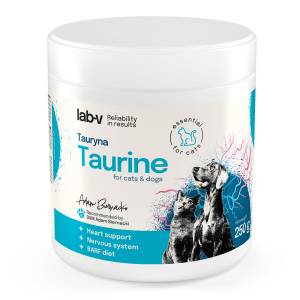
Heart and blood vessels care is essential for both dogs and cats; our Petreon Lietuva selection includes supplements, complementary foods and supplies aimed at promoting cardiovascular wellbeing. Choose omega‑3s, taurine-supporting formulas, antioxidants and vet-recommended supplements to help maintain circulatory health. Discuss any veterinary diet products or persistent symptoms with your veterinarian before changing care.
There are 13 products.
Sort by:
Products per page:


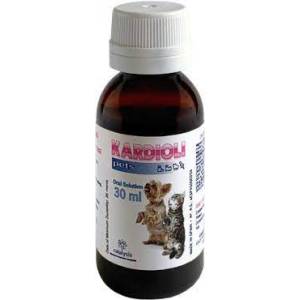


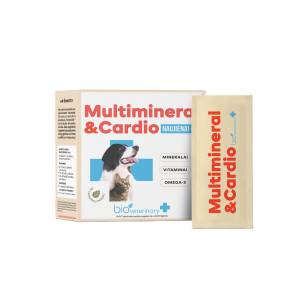
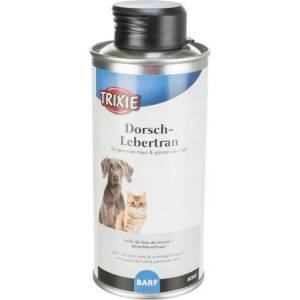

What supplements support heart and blood vessels health for pets?
Supplements commonly used to support heart and blood vessels health include omega‑3 fatty acids, taurine precursors, certain antioxidants and controlled mineral balances. Products vary for cats and dogs, and dosage depends on size and condition. Use supplements as part of balanced care and consult your veterinarian about any additions to ensure safety and compatibility with other medications.
How do veterinary diets affect heart and blood vessels conditions?
Specialized veterinary diets can support pets with cardiac or circulatory concerns by adjusting nutrients such as sodium, taurine precursors and targeted nutrients. These diets are formulated for therapeutic goals and should be introduced under professional advice. Veterinary diet products or persistent symptoms should be discussed with a veterinarian to ensure the correct diagnosis and appropriate feeding strategy for your pet.
When should I consult a veterinarian about heart and blood vessels concerns?
Seek veterinary advice if your pet shows coughing, fainting, rapid breathing, lethargy, swollen belly or reduced exercise tolerance; these may signal heart or circulatory problems. Regular check-ups help detect early issues. For ongoing signs or before starting supplements and special diets, consult a veterinarian so they can recommend tests and a safe, individualized plan for your pet.
DUK / FAQ
What are common signs of heart or blood vessel problems in cats and dogs?
Common signs include persistent coughing, difficulty breathing, fainting, reduced exercise tolerance, rapid or irregular heartbeat, swelling of the abdomen, and lethargy. Symptoms vary by species and severity. If you notice any of these or changes in appetite or activity, contact your veterinarian for assessment and guidance.
Can supplements improve my pet's heart and blood vessels health?
Some supplements, such as omega‑3 fatty acids and specific antioxidants, may support cardiovascular wellbeing when used appropriately. They are not cures and should complement a balanced diet. Always consult your veterinarian before starting supplements to confirm suitability, correct dosage and interactions with medications.
When are veterinary diets recommended for heart conditions?
Veterinary therapeutic diets are recommended when a vet diagnoses a specific cardiac or circulatory condition that benefits from nutrient adjustments like altered sodium or added taurine precursors. These diets should be used under veterinary supervision; discuss options and monitoring with your veterinarian before switching food.
How should I choose safe heart supplements for my pet?
Choose products formulated for pets, with clear ingredient lists and appropriate dosing. Prefer supplements with veterinary support or third‑party testing. Avoid human medications or unverified claims. Discuss choices and correct dosage with your veterinarian, especially if your pet is on other medications or has a diagnosed heart condition.
Can lifestyle changes help my pet's cardiovascular health?
Yes. Maintaining a healthy weight, providing regular moderate exercise appropriate for species and age, and a balanced diet can support heart and blood vessel health. Avoid overexertion in diagnosed patients; consult your veterinarian for personalized activity and nutrition plans, especially if your pet has known cardiac issues.
Account
-
 For dogs
-
-
-
Leashes and collars
-
-
-
Clothing and accessories
-
-
-
Hygiene and care products
-
-
-
Toys and games
-
-
-
For home and travel
-
-
-
 For cats
-
-
-
Hygiene and care products
-
-
-
Home Equipment
-
Leashes and collars
-
-
-
Pet Transport
-
-
-
Toys and games
-
-
-
 For others
-
-
-
Hygiene and care products
-
-
-
Pet Transport
-
Leashes and collars
-
-
-
Home Equipment
-
Toys and games
-
-
-
 For owner
-
-
Hygiene and care products
-
-
-
 Pet First Aid Kit
-
-
-
-
-
Healthcare products
-
-
-
-
 Beglobiai